
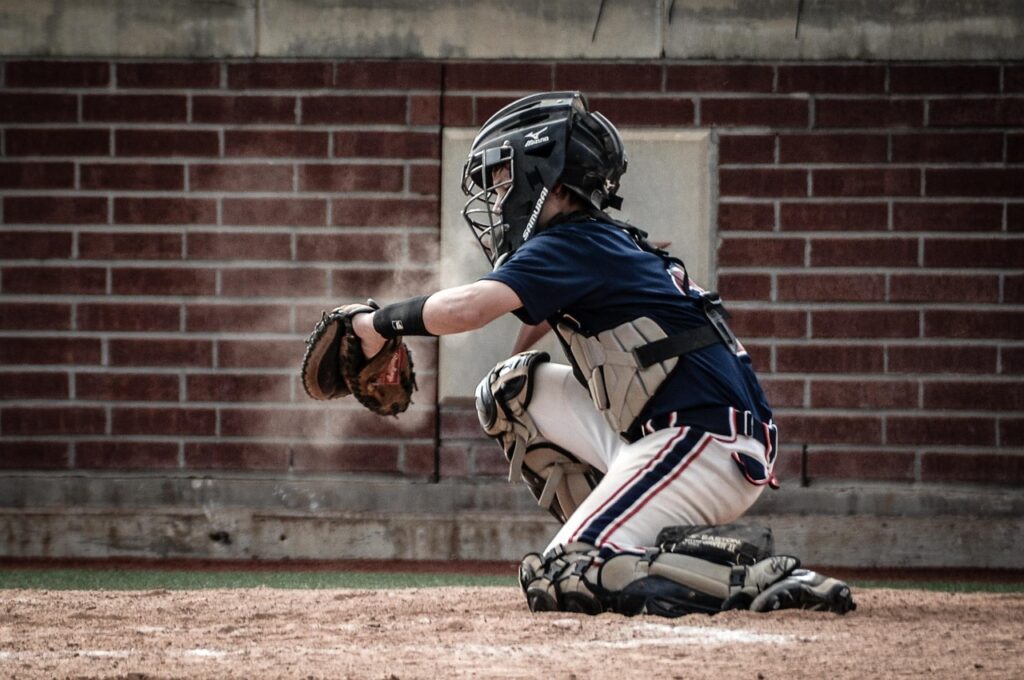
While the spotlight often shines on pitchers and batters, the catcher is arguably one of the most critical players on the field. The catcher’s role goes far beyond just receiving pitches; they are the defensive leader, working closely with the pitcher and guiding the team through each inning. In this article, we’ll break down the importance of a strong catcher and what makes the position so vital to the success of any baseball team.
A catcher’s skill set is multifaceted. They need to excel in several areas, including receiving pitches, blocking balls, and throwing out base runners. Receiving is one of the most fundamental skills. A good catcher has soft hands and the ability to frame pitches, turning borderline strikes into called strikes. The key is to create the illusion of a perfect pitch without “pulling” it outside the strike zone. Blocking is another essential skill, especially when it comes to stopping wild pitches or passed balls. A catcher who can consistently block balls in the dirt prevents runners from advancing and keeps the game under control.
Throwing is another area where a catcher can make a huge impact. A strong, accurate throw to second base can shut down a base runner attempting to steal. The speed and accuracy of a catcher’s arm are critical to preventing stolen bases, and a quick release makes all the difference.
Beyond the physical skills, the mental aspect of catching is where the position really shines. Catchers are the on-field quarterbacks, calling pitches and directing the defense. They need to have a deep understanding of both the batter’s tendencies and their own pitcher’s strengths and weaknesses. The catcher is often the one who keeps the pitcher calm and focused, and their leadership on the field can set the tone for the entire team.
Improving as a catcher requires dedication and practice. Drills focused on receiving, blocking, and throwing will help sharpen technique. Working on mental aspects like pitch calling and game management is just as important. Catchers should focus on staying calm under pressure and learning to anticipate plays before they happen.
Finally, the right gear is essential for every catcher. A well-fitted catcher’s mitt is key to performance, as is the rest of the gear—mask, chest protector, shin guards, and throat guard. Don’t underestimate the importance of having high-quality, comfortable gear that will protect you during every play.