
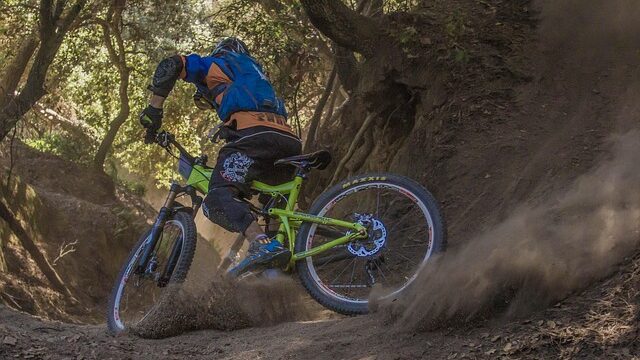
Mountain biking is one of the most exciting ways to enjoy the outdoors and stay fit, but beginners often make mistakes that slow progress or increase the risk of injury. Knowing what to avoid can save frustration and make your rides safer and more enjoyable. Here are ten common mistakes new riders make, along with tips to fix them.
1. Riding Trails That Are Too Advanced
It’s tempting to jump straight into challenging trails, especially if you’ve seen others tackling jumps and technical features. But riding beyond your skill level often leads to frustration and crashes. Beginners should start with green or blue trails, focusing on flowing singletrack and gentle climbs. As you build confidence and technique, you can gradually move to more technical trails. This step-by-step approach allows you to develop skills safely and enjoyably.
2. Poor Bike Fit
A bike that doesn’t fit you properly can make even the easiest trails uncomfortable or unsafe. Too high or too low a saddle affects pedaling efficiency and control, while incorrect handlebar height or reach can cause fatigue in your arms, shoulders, and back. Getting a proper bike fit from a professional or using online fit guides ensures comfort and control, letting you focus on riding instead of constantly adjusting your position.
3. Skipping Safety Gear
Some new riders underestimate the importance of protective equipment, thinking “I won’t fall.” Even minor crashes can result in cuts, bruises, or worse. Wearing a helmet is non-negotiable, while gloves protect your hands, and knee or elbow pads give extra confidence when trying new trails or features. Good gear not only protects you physically but also psychologically, letting you ride more boldly without unnecessary fear.
4. Using Brakes Incorrectly
Learning to brake effectively is a skill that comes with practice. Beginners often overuse the front brake, causing sudden stops and potential flips, or rely too much on the rear, which can lead to skidding. Proper braking involves both front and rear brakes, applied smoothly, with more emphasis on the front on descents and the rear for control on flat sections. Practicing braking in a safe area before hitting technical trails builds confidence and prevents accidents.
5. Riding in the Wrong Body Position
Mountain biking requires active body movement. Sitting rigidly on the saddle or leaning too far forward or backward can make controlling the bike difficult, especially over rocks, roots, or descents. A proper riding stance involves bending your knees and elbows, keeping your weight centered, and shifting it according to the terrain. Mastering body positioning improves balance, reduces fatigue, and lets you handle obstacles with more ease.
6. Ignoring Trail Etiquette
Being a responsible trail user is crucial, both for your safety and for the enjoyment of others. Beginners sometimes ride off marked trails, cut corners, or fail to yield to other users, which can cause accidents and damage the environment. Learning basic trail etiquette—such as yielding to uphill riders, giving audible warnings when passing, and avoiding trails when muddy—helps maintain the trails and builds positive relationships within the mountain biking community.
7. Neglecting Bike Maintenance
A neglected bike can fail at the worst possible moment. Loose bolts, worn brakes, or improperly inflated tires can turn an enjoyable ride into a dangerous situation. Beginners often overlook routine maintenance like checking tire pressure, lubricating the chain, and inspecting suspension. Taking time to maintain your bike ensures smooth operation, prevents breakdowns on the trail, and prolongs the life of your equipment.
8. Overlooking Skills Practice
New riders often focus only on covering distance rather than developing technical skills. Cornering, balancing, navigating obstacles, and climbing efficiently are essential for safe and enjoyable riding. Practicing these skills in a controlled environment, like a pump track or easy trails, allows you to gradually increase your technical abilities. Consistent skill practice pays off more than just logging miles.
9. Riding Too Fast Too Soon
Speed is exciting, but riding faster than your skill level allows is a common cause of crashes. Beginners should start slow, focus on technique, and gradually increase speed as confidence grows. Controlled rides let you learn how your bike reacts, improve braking and cornering, and reduce fear. Speed will come naturally as your skills develop, without risking injury.
10. Forgetting Hydration and Nutrition
Even short rides can be physically demanding, and new riders often underestimate the importance of hydration and fueling. Dehydration or low energy can reduce focus, reaction time, and endurance. Bring water on every ride, and consider a small snack like an energy bar or fruit for longer outings. Proper nutrition keeps your energy steady, improves performance, and helps you recover faster afterward.
By avoiding these ten mistakes, beginners can progress faster, stay safer, and enjoy every ride more. Mountain biking is about skill, confidence, and fun—and being aware of common pitfalls from the start sets you up for long-term success.