
Mountain biking is as much about having the right gear as it is about skill and fitness. The right equipment improves safety, comfort, and performance while helping you tackle trails confidently. Whether you’re just starting out or looking to upgrade your setup, here’s a guide to the essential MTB gear every rider needs.
1. The Right Bike
The foundation of any mountain biking setup is your bike. Beginners should look for hardtail or entry-level full-suspension bikes with a reliable drivetrain and quality brakes. Advanced riders may opt for high-performance full-suspension bikes with lightweight frames and adjustable suspension for technical terrain. Make sure the bike fits your height, reach, and riding style, as a proper fit improves comfort and control.
2. Helmet
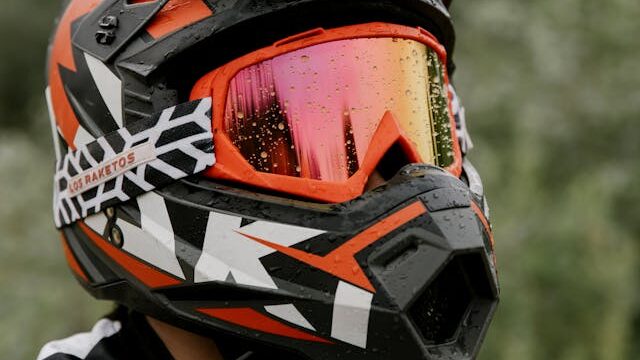
A helmet is non-negotiable. Mountain biking involves unpredictable terrain, and even minor crashes can cause head injuries. Beginners can start with a lightweight trail helmet, while more advanced riders tackling steep descents or technical features may prefer a full-face helmet for extra protection. Always ensure your helmet fits snugly and meets safety standards.
3. Gloves
Gloves protect your hands from blisters, branches, and falls. They also improve grip and control. For beginners, padded gloves offer comfort on longer rides, while advanced riders often choose full-finger gloves for protection on technical trails.
4. Protective Gear
Depending on the trails and your skill level, additional protective gear can make a big difference. Knee and elbow pads are highly recommended for beginners and intermediate riders, while more aggressive riders may also use body armor or chest protectors for downhill or enduro trails. Protection builds confidence and reduces injury risk.
5. Hydration and Storage
Staying hydrated is essential, especially on longer rides. Hydration packs or water bottles in frame-mounted cages allow easy access while riding. Many packs also include storage for snacks, tools, and a first-aid kit. Carrying essentials ensures you’re prepared for trail surprises without being overburdened.
6. Shoes and Pedals
Pedals come in flat or clipless designs, and shoes should match your choice. Flat pedals are beginner-friendly and easy to use, while clipless pedals provide better power transfer and control for experienced riders. Choose shoes with good grip, stiffness, and comfort for long rides.
7. Clothing
MTB-specific clothing enhances comfort and mobility. Moisture-wicking jerseys and padded shorts reduce chafing and keep you dry. Layers may be added for cold or wet weather, while gloves and socks help regulate temperature and prevent blisters. Breathable, flexible clothing lets you move freely over obstacles.
8. Essential Tools and Maintenance Gear
Even a minor mechanical issue can end a ride if you’re unprepared. Carry:
- Multi-tool for quick adjustments
- Spare tube or patch kit
- Mini pump or CO₂ inflator
- Chain lube for smooth shifting
Learning basic bike maintenance and carrying essential tools ensures you stay on the trail longer and avoid unnecessary frustration.
9. Optional Tech Upgrades
More advanced riders may invest in upgrades like dropper posts, suspension tuning kits, or GPS devices. While not essential for beginners, these enhancements can improve performance and trail navigation as skills progress.
Having the right mountain biking gear is about safety, comfort, and maximizing fun. Beginners should focus on essentials like a properly fitted bike, helmet, gloves, and hydration, while experienced riders can add protective gear, technical upgrades, and advanced tools. The right setup allows you to ride confidently, improve faster, and enjoy every trail to its fullest.