
When it comes to baseball, having the right gear can make a world of difference. Whether you’re new to the game or you’re a seasoned player, the right equipment doesn’t just help you perform better—it keeps you safe on the field. In this guide, we’ll walk through the essential pieces of baseball gear that every player needs.
The most personal piece of equipment in baseball is the glove. For infielders, a smaller and lighter glove is ideal, allowing for quicker transfers and fast plays. Outfielders, on the other hand, need a larger glove with a deeper pocket for those high-flying balls. Catchers have their own specialized gloves—catcher’s mitts—with extra padding to handle the impact of fast pitches. A well-broken-in glove is essential, so take the time to soften it up by playing catch or using glove conditioners to help it mold to your hand.
When it comes to bats, the decision between wood and metal is a common one. While metal bats are favored in high school and youth leagues due to their durability and larger sweet spot, wooden bats are traditionally used in professional baseball. No matter what type of bat you use, it’s important to pick one that feels comfortable and balanced. The weight and length of the bat should complement your swing, so test out a few before making your choice. Also, keep in mind that the drop weight—the difference between the bat’s length and weight—affects how it swings. A lower drop weight means a heavier bat, while a higher drop weight creates a lighter, faster swing.
For shoes, baseball cleats are an absolute must. Metal cleats offer excellent traction on grass fields, which is why they’re often used in high school and adult leagues. Rubber cleats are common in youth leagues due to their safety features and versatility. No matter which type you choose, the fit is crucial. Ill-fitting cleats can cause blisters and discomfort, which can make it harder to perform during a game. Always make sure your cleats fit snugly but comfortably.
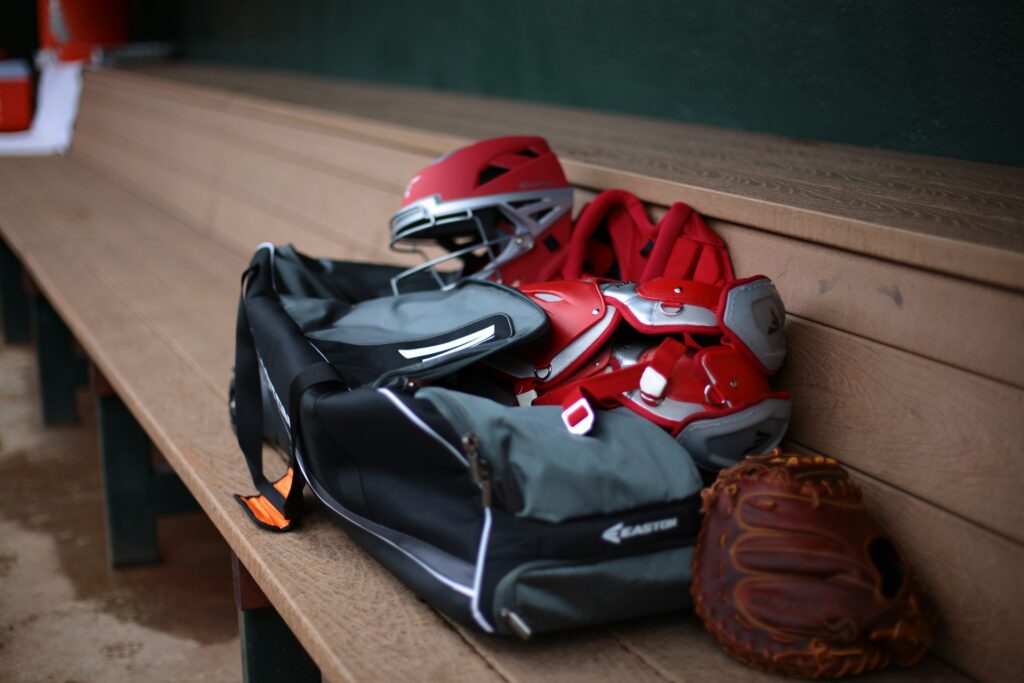
Protecting yourself on the field is equally important. Batting helmets are a must-have for every player stepping up to the plate. Make sure you’re wearing a helmet that meets league safety standards, and ensure it fits properly. For catchers, full gear is a necessity, including a mask, chest protector, and shin guards. These pieces of equipment protect catchers from fast pitches and potential collisions. Other protective gear, like arm sleeves and elbow guards, are great for minimizing injury risks, especially when sliding into bases or diving for balls.
Finally, when it comes to buying baseball gear, you have several local options in Owensboro, such as [Insert Local Sports Store], or you can shop online at [Insert Online Store]. Finding the right gear might take a little time, but it will pay off in terms of performance and protection on the field.